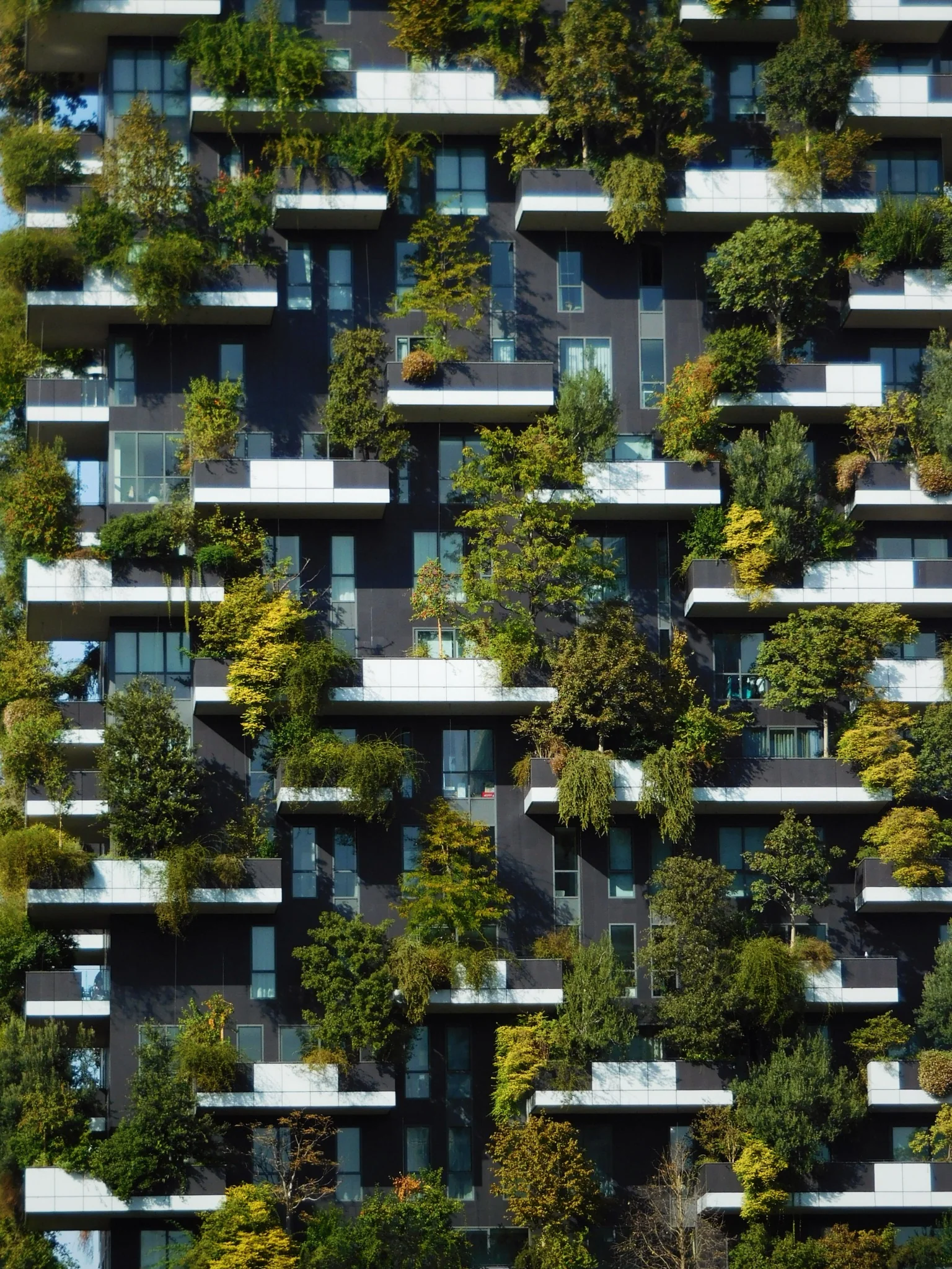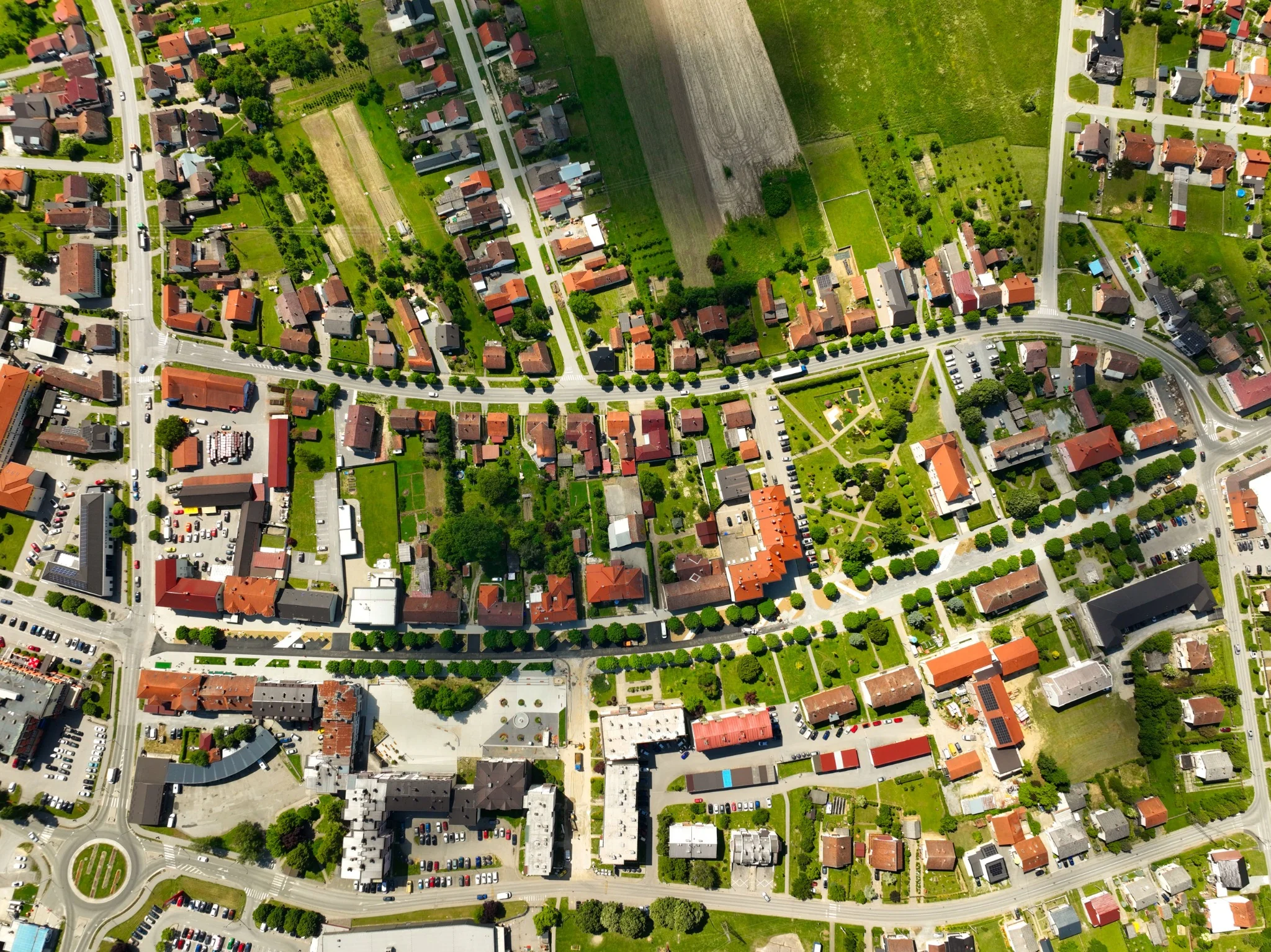

Kenya’s green building conversation is moving beyond policy ambition and into implementation. The genesis of this conversation can be traced to Kenya’s adoption of the Paris Agreement at COP21, when Kenya committed to reducing greenhouse gas emissions while undertaking substantial adaptation measures.
Kenya has since sought to give effect to these commitments through its domestic legal and policy framework, including the Climate Change Act, 2016, as amended in 2023, which requires climate change considerations to be incorporated into development planning and supports private sector investment in low carbon development.
These obligations intersect with sector specific laws and policies governing the built environment.
Our earlier article, Going Green: What Kenya’s Construction Boom Means for Sustainable Development, considered the legal and policy foundations for greener construction.
The practical question that follows is more difficult: who is actually implementing this agenda, what has Kenya committed to, and where do the gaps remain?
Who Is Building Kenya’s Green Future?
No single institution owns Kenya’s green building agenda.
Implementation is spread across national and county governments, regulators, industry players, professional bodies, civil society and international development partners. Developers, contractors, manufacturers and built environment professionals, including lawyers, engineers, architects, quantity surveyors and planners, all have a role to play.
At the national level, several institutions have important roles. These include the Ministry of Investments, Trade and Industry, the Ministry of Environment, Climate Change and Forestry, the Ministry of Energy and Petroleum, the Ministry of Lands, Public Works, Housing and Urban Development, the National Treasury and the Central Bank of Kenya.
The State Department for Public Works, together with the Global Buildings Performance Network and the Architectural Association of Kenya, has spearheaded the Kenya National Buildings and Construction Decarbonization Roadmap, covering 2026 to 2040. The roadmap provides a framework for reducing emissions across the buildings and construction sector.
The Central Bank of Kenya has also taken steps to strengthen the financial architecture supporting sustainable investment through the Kenya Green Finance Taxonomy. At county level, implementation increasingly intersects with physical and land use planning, development approvals and the integration of the National Building Code into building plans.
Regulators provide another critical layer.
The National Construction Authority regulates and coordinates development in the construction industry, including implementation of the applicable building regulatory framework. The National Environment Management Authority oversees environmental assessment and compliance under the Environmental Management and Coordination Act, 1999.
The Energy and Petroleum Regulatory Authority has responsibility for energy efficiency and energy audits under the Energy Act, 2019, while the Climate Change Council provides an important coordination role for climate action across government.
The private sector is also beginning to respond.
Manufacturers are exploring lower carbon production methods, including lower clinker cement blends and waste heat recovery. Developers are increasingly pursuing green building certifications such as EDGE, LEED and Green Star.
International partners including UNIDO, IFC, GIZ and FSD Africa continue to provide financing and technical support, while the Kenya Green Building Society and academic institutions contribute to market development, research and skills development.
From Decarbonisation Roadmaps to Implementation
Kenya’s industrial decarbonisation agenda provides an important part of this picture.
In 2024, Kenya developed a preliminary Industrial Decarbonisation Roadmap with UNIDO’s support. The roadmap identifies renewable energy, green hydrogen, carbon capture and storage, and energy efficiency as key pillars for industrial decarbonisation, with particular attention to major industrial emitters including cement, iron and steel, charcoal and chemicals.
Cement is particularly significant given the scale of construction activity in Kenya and the emissions associated with conventional production.
The Government has increasingly embraced policy measures intended to translate decarbonisation objectives into market demand. Green public procurement, for example, can create demand for lower carbon construction materials by requiring public projects to meet minimum green building standards.
The Kenya Bureau of Standards is also developing standards for low clinker cement, while manufacturers have been exploring supplementary cementitious materials.
Other initiatives address construction and demolition waste, energy efficiency and carbon markets. These measures form part of a broader policy direction towards reducing the environmental impact of the built environment.
This sits within Kenya’s wider climate commitments. Kenya’s first Nationally Determined Contribution targeted a 32% reduction in greenhouse gas emissions by 2030, while its second NDC sets a 35% reduction target by 2035.
The buildings and construction sector is central to achieving these ambitions. The sector contributes more than 10% of Kenya’s energy related emissions while buildings account for a significant share of the country’s final energy consumption.
Kenya’s longer term vision is therefore increasingly focused on net zero carbon new construction and major retrofits, alongside healthier, more climate resilient buildings and green industrialisation.
The Gaps That Remain
Policy momentum does not automatically translate into market adoption.
Industry survey data cited in the sector’s roadmap indicates that 72.2% of industry players rate green building adoption as very low. The barriers are familiar: limited awareness and technical expertise, an underdeveloped green finance market, a limited pipeline of investable green projects and certification costs that may outweigh near term returns for some developers.
The regulatory environment also presents challenges.
Responsibilities are spread across multiple institutions and regulatory instruments. Kenya does not yet have a single nationally standardised green building certification framework, while local technical capacity for lifecycle carbon assessments remains limited. Enforcement capacity also varies significantly across the 47 counties.
On the supply side, the construction industry continues to face challenges around the availability and cost of lower carbon materials, reliance on coal and imported clinker in cement production, the upfront cost of renewable energy integration and limited infrastructure for construction and demolition waste recycling.
These are not simply environmental challenges. They are increasingly becoming commercial, regulatory and legal considerations for anyone involved in the development or financing of construction projects.
What Needs to Happen Next?
Closing these gaps will require sustained coordination rather than isolated interventions.
Green public procurement can help create reliable demand for lower carbon construction materials. Aligning county development approvals with national energy efficiency and decarbonisation objectives can help translate policy into project level requirements.
Finance will also be critical.
Green bonds, green mortgages and other sector specific financing products could help move sustainable construction beyond high end commercial and residential developments and into middle income housing, where much of Kenya’s construction activity takes place.
Banks and SACCOs have an important role to play in developing financing products that recognise the longer term value of energy efficient and climate resilient buildings.
Counties will require continued investment in technical capacity, including trained building inspectors and dedicated capacity to assess green building requirements. Mandates without the resources to enforce them risk creating a gap between regulatory ambition and practical implementation.
There is also an opportunity to develop stronger circular economy linkages by connecting cement and steel manufacturers with construction waste recyclers.
A nationally recognised green building certification framework, tailored to Kenya’s climate and market conditions, could provide the consistency that developers, financiers and regulators need.
Conclusion
Kenya’s housing deficit means significant construction will continue regardless of how quickly the regulatory framework matures.
The real question is whether this construction will be designed and built sustainably from the outset, or whether conventional practices will continue to lock in avoidable emissions for decades.
Kenya has already established an important legal, policy and institutional foundation. The next phase is about implementation.
For developers, investors, financiers, contractors and public agencies, this means that green building considerations are increasingly moving from the margins of project planning into questions of regulatory compliance, project structuring, financing, procurement and long term asset value.
The opportunity is significant. So is the need for coordinated action.
How Ashitiva Advocates Can Assist
At Ashitiva Advocates LLP, we advise developers, investors and public agencies on green building compliance and sustainable development structuring.
Let us help you build responsibly, and lawfully.